Smarter Farming and Stronger Food Security Staging
Smarter Farming and Stronger Food Security
Smarter Farming and Stronger Food Security
Agriculture has always depended on timely information. Farmers must make decisions about planting, irrigation, fertilisation and harvesting while navigating unpredictable weather, pests and fluctuating market conditions. Under MD2030, the adoption of AI, data analytics and connected technologies will accelerate smart agriculture, helping farmers improve productivity, use resources more efficiently and strengthen Malaysia’s food security.
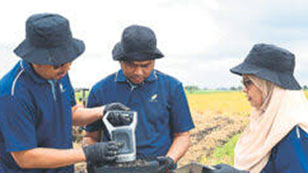
Today, AI and digital technologies are helping farmers complement experience with real-time data and predictive insights. By analysing information from drones, satellite imagery, soil sensors, weather forecasts and historical crop records, AI can identify patterns that may signal crop stress, disease outbreaks or irrigation needs before they become visible to the human eye.
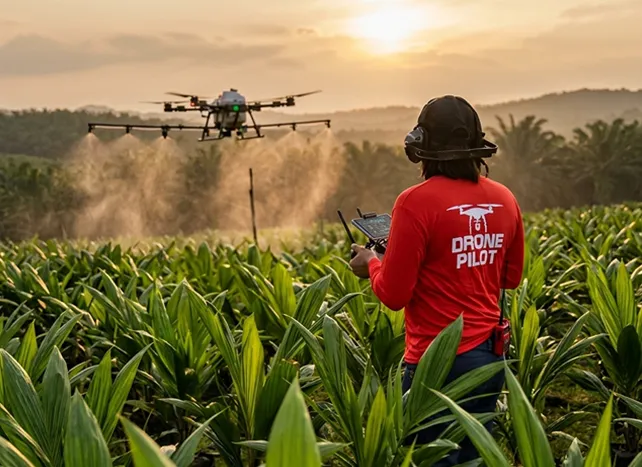
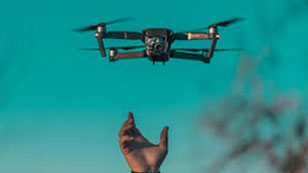
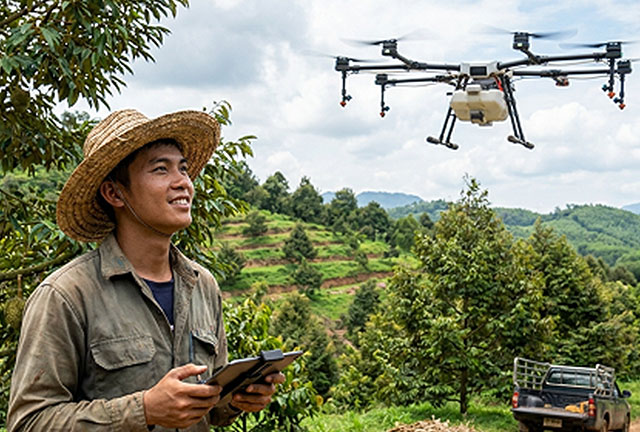
One practical application is the use of drones equipped with imaging technology to survey large farming areas in a matter of minutes. The images are analysed by AI models to pinpoint sections of a farm that require attention, allowing farmers to target interventions more precisely.
This approach, known as precision agriculture, enables more efficient use of resources such as water, fertiliser and pesticides while reducing waste.
AI-powered irrigation systems and crop monitoring tools can also help improve water management and support earlier detection of pests and diseases.
Another emerging application uses AI through familiar platforms such as WhatsApp to provide farmers with agricultural guidance and recommendations. By leveraging tools they already use, these solutions lower barriers to adoption and make digital agriculture more accessible.
Malaysia is already seeing practical implementations of these technologies through initiatives involving AI, big data analytics, Internet of Things (IoT) sensors and drone technology.
Together, these efforts are helping to increase productivity, improve crop quality, reduce operational costs and strengthen national food security.